
Детство – это период активного роста и развития, когда каждый аспект здоровья требует особого внимания. Одним из ключевых элементов, влияющих на общее благополучие ребенка, является правильная обувь, особенно в контексте ходьбы. Ортопедическая поддержка в детской обуви играет решающую роль в формировании здоровых стоп, профилактике различных заболеваний опорно-двигательного аппарата и обеспечении комфорта во время движения. В этой статье мы глубоко исследуем, почему ортопедическая обувь так важна для детей, как она работает, и какие преимущества она предлагает для долгосрочного здоровья.
Введение в тему: Почему детские ноги нуждаются в особой заботе
Стопы ребенка – это фундамент его будущего здоровья. В первые годы жизни кости, мышцы и связки находятся в стадии активного формирования, и любое негативное воздействие может привести к серьезным проблемам, таким как плоскостопие, искривление осанки или даже боли в суставах. Ходьба – это естественный процесс, но без должной поддержки она может стать источником дискомфорта и заболеваний. Ортопедическая обувь разработана специально для того, чтобы обеспечивать анатомически правильную позицию стопы, распределять нагрузку равномерно и предотвращать деформации. Это не просто модный тренд, а необходимость, основанная на медицинских исследованиях и практическом опыте.
В современном мире, где дети проводят много времени в активном движении – бегая, прыгая и играя – важно выбрать обувь, которая не только защищает от внешних воздействий, но и поддерживает внутреннее здоровье. Неправильная обувь может вызвать такие проблемы, как нарушение кровообращения, мозоли или даже хронические боли, которые могут сохраняться во взрослой жизни. Поэтому инвестиции в качественную ортопедическую обувь – это инвестиции в здоровое будущее вашего ребенка.
Анатомия детской стопы: Как она развивается и почему поддержка crucial
Чтобы понять важность ортопедической поддержки, необходимо сначала разобраться в анатомии детской стопы. У младенцев стопы состоят из мягких хрящей, которые постепенно ossify (окостеневают) к возрасту 5-7 лет. Этот процесс делает стопы уязвимыми к внешним воздействиям. В раннем детстве свод стопы еще не fully developed, что означает, что естественная амортизация при ходьбе недостаточна. Без proper support, стопа может flatten, leading to flat feet – common condition that affects up to 30% of children.
Orthopedic shoes are designed to mimic the natural shape of the foot, providing arch support, heel stabilization, and cushioning. This helps in maintaining the correct alignment of bones and joints, reducing the risk of abnormalities. For example, a well-designed orthopedic shoe will have a contoured insole that supports the medial arch, a firm heel counter to prevent excessive motion, and flexible sole to allow natural movement. These features work together to promote healthy development and prevent issues like overpronation or supination.
Research shows that children who wear orthopedic shoes from an early age are less likely to develop foot problems later in life. A study published in the Journal of Pediatric Orthopedics found that proper footwear can reduce the incidence of flat feet by up to 50%. This underscores the importance of starting early with orthopedic support, as prevention is always better than cure.
Common foot problems in children and how orthopedic shoes help
Many children experience foot issues that can be mitigated or prevented with the right shoes. Flat feet, or pes planus, is one of the most common conditions, where the arch of the foot collapses, leading to pain and discomfort. Orthopedic shoes with arch support can help lift and maintain the arch, reducing strain on the muscles and ligaments. Another common problem is intoeing or outtoeing, where the feet turn inward or outward during walking. This can be caused by muscle imbalances or skeletal issues, and orthopedic shoes with appropriate alignment features can correct gait patterns over time.
Bunions, calluses, and heel pain are also prevalent in children who wear ill-fitting shoes. Orthopedic shoes are often made with wider toe boxes to allow toes to spread naturally, reducing pressure points. Additionally, they provide cushioning in key areas like the heel and ball of the foot, which absorbs shock and prevents injuries. For children with specific conditions like cerebral palsy or diabetes, custom orthopedic shoes may be necessary to address unique needs, but even standard orthopedic options offer significant benefits for general use.
Early intervention is key. If foot problems are left untreated, they can lead to more serious issues such as knee pain, hip misalignment, or back problems. Orthopedic shoes act as a preventive measure, ensuring that the child's musculoskeletal system develops symmetrically and healthily. Parents should look for signs like uneven shoe wear, limping, or complaints of pain, which may indicate the need for orthopedic evaluation and footwear.
Key features of quality orthopedic shoes for walking
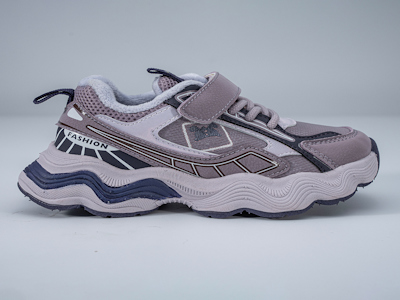
Not all shoes labeled as "orthopedic" are created equal. It's essential to choose products that meet specific criteria for effectiveness. First and foremost, the shoe should have a supportive insole with arch reinforcement. This insole should be removable or customizable to allow for orthotics if needed. The heel area must be firm and stable to control motion and provide support, preventing the foot from rolling inward or outward.
The sole should be flexible yet durable, with good traction to prevent slips and falls. It should bend at the ball of the foot to facilitate natural walking motion. Materials are also crucial; breathable fabrics like leather or mesh help keep feet dry and reduce the risk of infections. The fit should be snug but not tight, with enough room for toes to wiggle. Many orthopedic shoes come with adjustable closures like Velcro or laces to ensure a secure fit as the child grows.
Additionally, look for shoes that are lightweight to avoid fatigue during long walks. Some advanced models incorporate technology such as memory foam insoles or anti-microbial treatments for added comfort and hygiene. It's advisable to consult with a pediatric orthopedist or podiatrist when selecting shoes, as they can provide personalized recommendations based on the child's foot type and gait.
The role of walking in child development and how shoes impact it
Walking is more than just a means of transportation; it's a critical activity for physical and cognitive development in children. It strengthens muscles, improves coordination, and enhances balance. However, improper footwear can hinder these benefits by causing discomfort or altering natural movement patterns. Orthopedic shoes enhance the walking experience by providing stability and support, allowing children to move confidently and efficiently.
For toddlers learning to walk, shoes with good grip and flexibility are essential to prevent falls and encourage exploration. As children grow, their walking patterns evolve, and shoes must adapt to support increasing activity levels. Orthopedic shoes help maintain proper posture and alignment, which is vital for overall body health. They also reduce fatigue, enabling children to engage in longer periods of physical play without discomfort.
Moreover, comfortable shoes can positively affect a child's mood and behavior. Discomfort from poor footwear can lead to irritability or reluctance to participate in activities. By choosing orthopedic shoes, parents can ensure that their children enjoy walking and remain active, which contributes to healthy weight management and cardiovascular health. In the long run, this sets the foundation for an active lifestyle into adulthood.
Choosing the right orthopedic shoes: A guide for parents
Selecting orthopedic shoes can be overwhelming with so many options available. Start by measuring the child's feet regularly, as they grow quickly – ideally every 2-3 months. Use a brannock device or visit a professional store for accurate measurements. Consider the child's activities; for example, shoes for everyday walking may differ from those for sports.
Look for reputable brands that specialize in orthopedic footwear, such as those certified by medical associations. Read reviews and check for features like arch support, heel stability, and breathability. It's often worth investing in higher-quality shoes, as they last longer and provide better support. Don't forget to involve the child in the process; let them try on shoes and walk around to ensure comfort.
If the child has existing foot issues, consult a healthcare professional for advice on custom options. Remember that orthopedic shoes are not a cure-all; they should be part of a holistic approach that includes regular exercise, healthy diet, and periodic check-ups. With careful selection, parents can find shoes that support their child's development without breaking the bank.
Conclusion: Investing in health through proper footwear
In summary, orthopedic support in children's walking shoes is not a luxury but a necessity for healthy development. It prevents common foot problems, promotes correct gait, and ensures comfort during daily activities. By choosing quality orthopedic shoes, parents can safeguard their children's musculoskeletal health and set them up for a lifetime of pain-free movement. Start early, stay informed, and prioritize support – because every step counts towards a healthier future.
As we've explored, the benefits are clear: reduced risk of deformities, improved posture, and enhanced overall well-being. Make orthopedic shoes a staple in your child's wardrobe and watch them thrive with every step they take. Remember, healthy feet today mean a healthy body tomorrow.